Home › Asphalt Milling and Reclamation
Address failing pavement efficiently with asphalt milling in Flint, MI. We remove worn asphalt to a precise depth, correct drainage, and prepare the surface for overlays or reconstruction. Full depth reclamation can also recycle existing materials into a stable base, saving on trucking and aggregate costs for larger projects.
Precision Asphalt Flint provides professional asphalt milling throughout Flint, MI, Michigan and the surrounding area. Our licensed, insured crew delivers safe, clean, on-time work with a free estimate before anything begins. Call (810) 645-8686 or request your free quote.
Practical Asphalt Milling Solutions for Flint Properties
Asphalt milling is often the most cost‑effective way to fix worn or uneven pavement in Flint without paying for a full tear out and replacement. Precision Asphalt Flint uses heavy milling machines to grind off a controlled depth of your existing asphalt so we can rebuild a smooth, strong surface that matches surrounding grades, curbs, and drainage.
For commercial lots, private roads, and large driveways, milling lets us remove the failed top layer while keeping the solid base underneath. This means less disruption, fewer truckloads of waste, and a faster turnaround. In many cases we can keep your business open with phased work and clear traffic control.
Our crews work all over Genesee County and understand how Flint freeze‑thaw cycles and road salt break down asphalt. When we recommend milling instead of patching or full reconstruction, it is because the base is still sound and the problems are mostly in the upper lifts of asphalt. This straightforward approach keeps your long‑term costs in check without cutting corners on quality.
How Asphalt Milling Is Done Step by Step
Proper asphalt milling is not just “grinding and going.” Precision Asphalt Flint follows a specific sequence so the new surface performs under Michigan conditions.
1. Evaluation and depth planning. We walk the site, core or probe the pavement, and determine how many inches to remove. Typical milling depths in Flint range from 1 to 3 inches for parking lots, and 2 inches or more for heavier traffic lanes.
2. Grade and drainage layout. Before a machine touches the asphalt, we establish target elevations at doors, dock plates, catch basins, and road tie‑ins. This prevents trip hazards and ponding water after the new layer is installed.
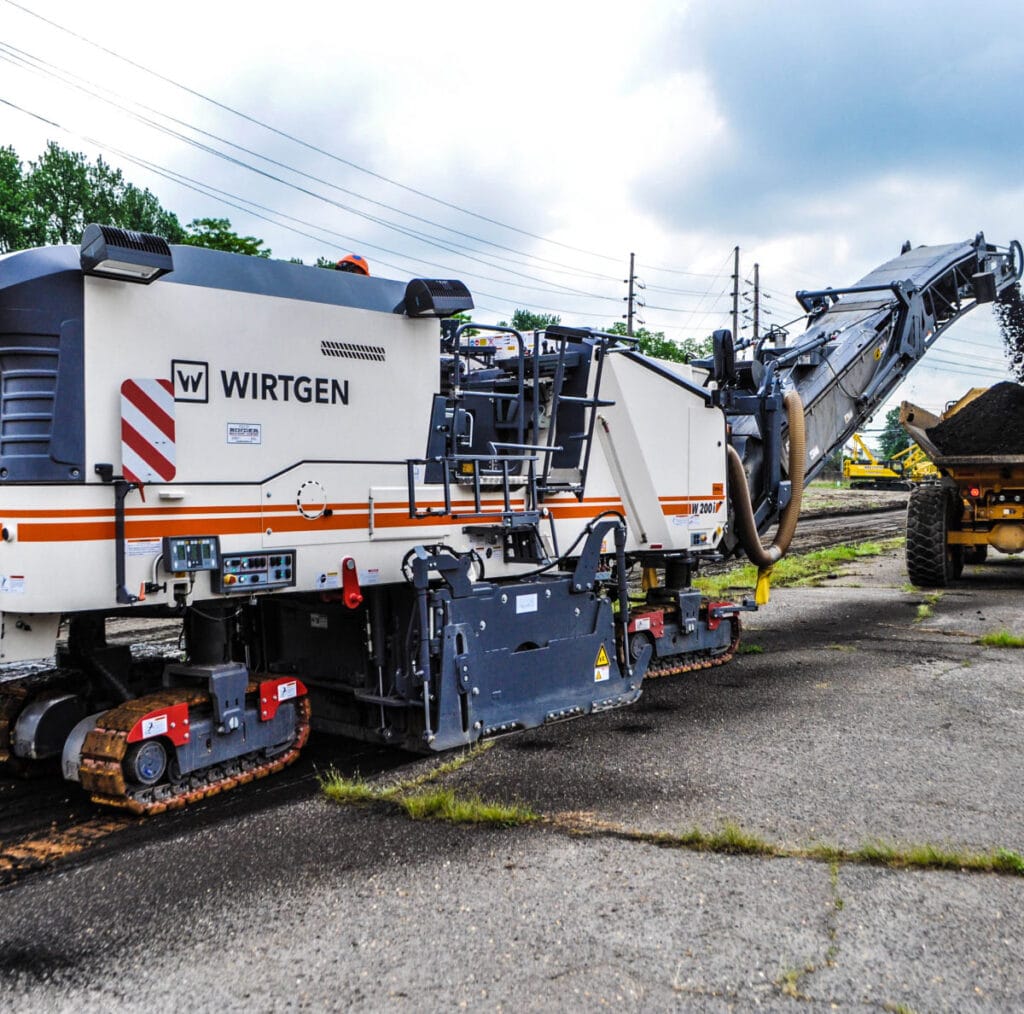
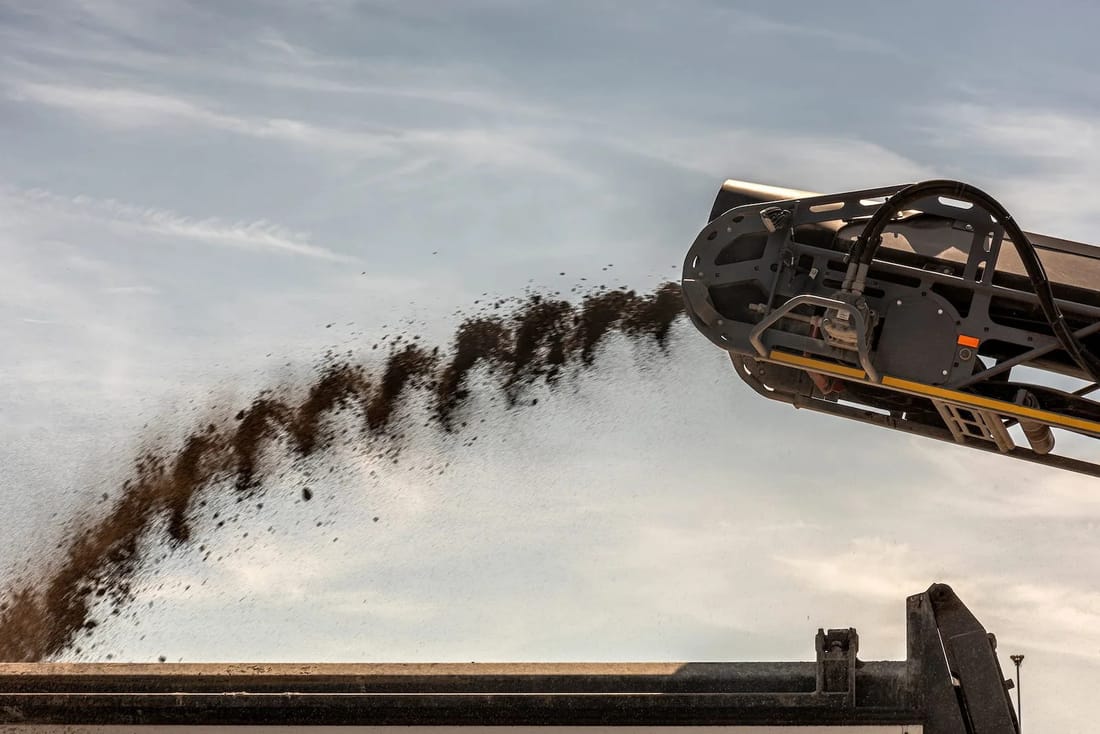
3. Milling with a cold planer. A tracked milling machine uses a drum with carbide teeth to grind the asphalt to the planned depth. The built‑in conveyor loads the milled material directly into trucks for recycling. We adjust drum speed, travel speed, and water spray to control texture and minimize dust.
4. Detail milling and edges. Around manholes, curb lines, and tight corners, we use smaller mills or saws so the new lift can bond correctly and transition cleanly. This step is critical in older Flint neighborhoods where grades are tight and curb reveal is limited.
5. Cleaning and tack coat. Once milling is complete, we thoroughly sweep the surface, then apply a tack coat (a thin layer of asphalt emulsion) to bond the new asphalt to the milled layer.
6. Resurfacing (overlay). Finally, we place and compact new hot mix asphalt to the designed thickness. Rollers work in a specific pattern to achieve density and a uniform finish. Joints are sealed and transitions are checked for smoothness before we open the area to traffic.
Asphalt Reclamation and When It Makes Sense in Flint
Full‑depth reclamation is different from standard asphalt milling and it is not right for every site. Precision Asphalt Flint recommends reclamation when both the asphalt and the top portion of the base are failing, but the overall alignment of the road or lot can stay the same.
With reclamation, we use a reclaimer to grind the entire asphalt layer together with several inches of the base material. This blended material is then graded, shaped, and compacted to create a new stabilized base. In some cases we add cement or other stabilizing agents so the base resists rutting and frost movement.
This option is common for older industrial yards, private roads, and large rural driveways on the edges of Flint where drainage has been poor for years. Instead of hauling everything away and importing all new aggregate, we reuse the existing materials on site. That cuts trucking costs and can significantly reduce the project price while still giving you a strong foundation for new asphalt.
Reclamation also helps correct long‑term problems like settled areas, soft spots, or standing water. Since we rebuild the base profile, we can raise low sections, improve crown, and redirect runoff toward ditches or basins so the new pavement lasts longer in Michigan’s freeze‑thaw cycles.
What Affects the Cost of Asphalt Milling and Reclamation
Different Flint properties with the same square footage can have very different pricing for asphalt milling or reclamation. Precision Asphalt Flint explains these factors up front so there are no surprises.
Key cost drivers include:
• Existing pavement condition. If the base is stable and we only need to mill 1 to 2 inches, costs are lower. Deep rutting, alligator cracking, or pumping water from joints may mean thicker milling or full‑depth reclamation.
• Milling depth and access. Deeper milling, tight access, many islands, or numerous manholes slow production. Large open lots are more economical per square foot than small, cut‑up areas.
• Traffic management. Work along busy Flint corridors or active retail centers may require night work, phasing, flaggers, and extra striping or temporary markings.
• Drainage and grading adjustments. If we must rework slopes, adjust multiple structures, or rebuild soft spots, more time and materials are involved.
• Mix design and overlay thickness. Choosing a heavier duty surface mix for truck traffic or municipal specifications adds some cost but is usually cheaper than early failure.
We typically walk the site with the owner or manager, discuss how you use the pavement, and present options at different levels of investment. Sometimes targeted milling in the worst lanes plus a full overlay is the smartest choice. Other times, full‑depth reclamation on a troubled section is the only fix that will hold up.
Local Timing, Weather, and Common Flint Issues
Flint weather matters a lot when scheduling asphalt milling and reclamation. Precision Asphalt Flint plans projects around local conditions so you get better compaction and fewer cold joints.
Prime season for milling and resurfacing here is late April through October, when daytime highs are generally above 50°F and overnight lows are not dropping hard below freezing. We can work outside that window in some cases, but the risk of poor bonding and premature cracking goes up. For schools, churches, and retail centers, we often schedule milling right after classes end or during slower shopping periods to reduce disruption.
Local issues we watch for include:
• Freeze‑thaw damage. Repeated winter cycles in Flint widen cracks and create potholes. Milling removes the fractured surface, but if we see movement in the base, we may recommend reclamation or undercut repairs.
• Salt and plow wear. Heavily salted areas around entrances and docks usually have more surface raveling and delamination. We may mill deeper here or use a tougher surface mix.
• Poor drainage and clay soils. Many Flint sites sit on heavy clay. If water is trapped in the base, it will break down the pavement from below. We use milling and reclamation to correct slope and, where needed, improve the base with better aggregates or stabilization.
Discussing how snow is stored, where water collects after storms, and how traffic patterns have changed over the years helps us design a milling or reclamation plan that addresses the real causes of failure, not just the symptoms.
What to Know Before You Hire an Asphalt Milling Contractor
Choosing the right contractor for asphalt milling and reclamation in Flint is the difference between pavement that lasts 2 or 3 winters and pavement that holds up for a decade or more. Precision Asphalt Flint encourages customers to ask very specific questions before signing any contract.
Ask how the contractor determines milling depth and how they will protect existing structures, curb lines, and drainage patterns. They should be able to show you proposed grades or at least walk you through how they will avoid creating trip points and birdbaths.
Confirm that milled material will be recycled appropriately, either as part of a certified asphalt mix or as approved base material, and not simply dumped. Reclaimed asphalt pavement (RAP) has real value when managed correctly and helps reduce environmental impact.
Review the traffic control and phasing plan. For active sites in Flint, we usually break work into sections so customers and deliveries can continue. Clear barricades, signage, and communication prevent accidents and keep the project moving.
Finally, get detail in writing on surface mix type, overlay thickness, and any base repairs included. A vague “mill and resurface” line item is not enough. Reliable contractors provide specific thicknesses, areas, and materials so you know what you are paying for and can compare bids fairly. When we prepare a proposal, we tie our recommendations to what we have seen on your site and the way your pavement is used every day.