Home › Gravel-to-Asphalt Conversions
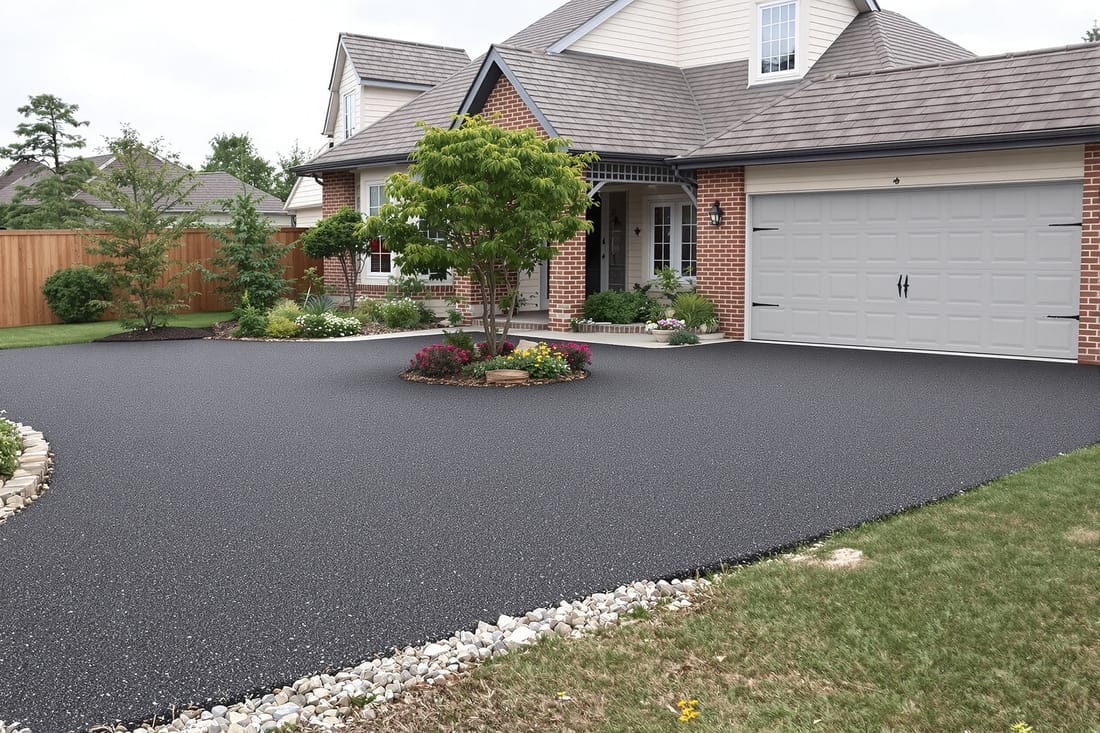
Tired of mud, dust, and ruts in your gravel drive Consider a gravel to asphalt driveway conversion in Flint, MI. We reshape and compact your existing base, add stone where needed, then install a properly sloped asphalt surface that is easier to drive, plow, and maintain. Enjoy a cleaner entrance and better curb appeal in every season.
Precision Asphalt Flint provides professional gravel to asphalt driveway throughout Flint, MI, Michigan and the surrounding area. Our licensed, insured crew delivers safe, clean, on-time work with a free estimate before anything begins. Call (810) 645-8686 or request your free quote.
Turn Your Flint Gravel Driveway Into a Clean, Solid Asphalt Surface
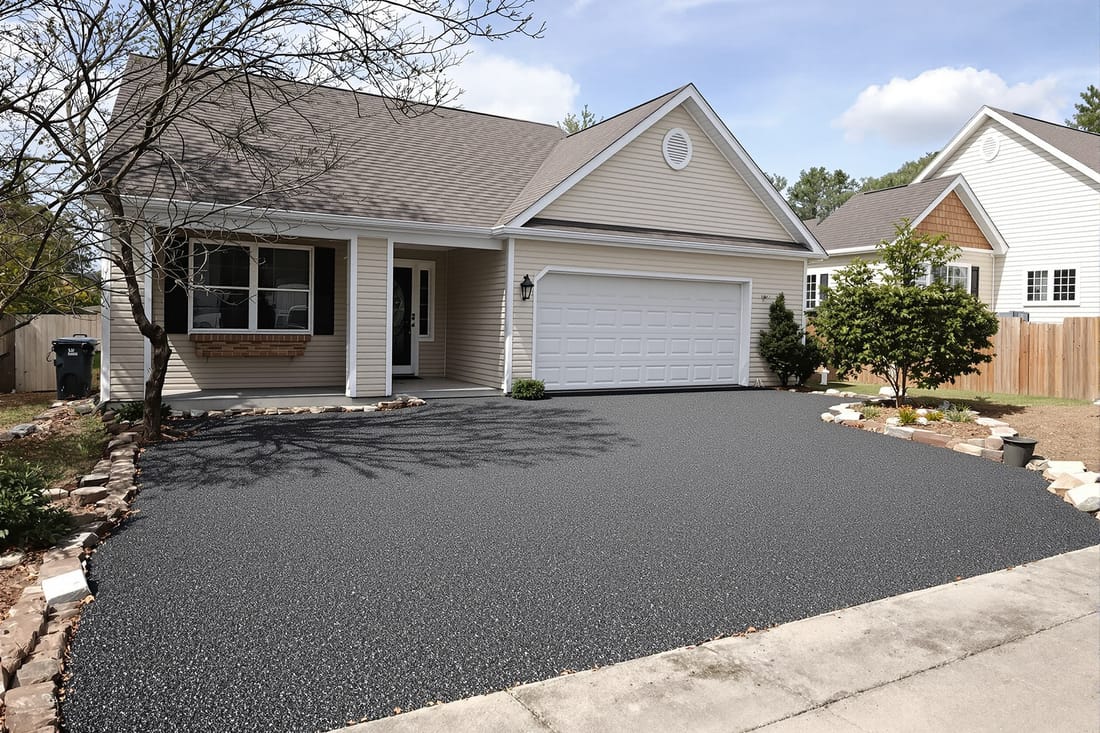
If you are tired of ruts, dust, and mud every time it rains or snows, a gravel to asphalt driveway conversion can be a big quality of life upgrade. Precision Asphalt Flint specializes in taking existing gravel driveways across Flint and Genesee County and converting them into smooth, durable asphalt surfaces that look finished and are easier to maintain.
We start by walking the drive with you and talking through how you actually use it: where you park in winter, how delivery trucks turn around, and where water currently pools. Many Flint area gravel drives were never designed with drainage in mind, so we often recommend subtle changes to slope or layout that keep water away from your house, garage, or pole barn.
Because we work locally, we understand how freeze thaw cycles, road salt, and Michigan clay soils affect a driveway over time. Our gravel to asphalt driveway work is built around those conditions so your new pavement is not just attractive on day one, but holds up over many winters.
Our Step by Step Gravel to Asphalt Conversion Process
A quality asphalt driveway is not just a layer of blacktop over rock. The long term performance depends on what happens before the first ton of asphalt is placed. Here is how Precision Asphalt Flint typically handles a gravel to asphalt driveway conversion:
1. Evaluation and measurements: We check gravel depth, soil type, current drainage, and any soft or pumping spots. In many older Flint driveways the gravel is mixed with clay and fines, which must be corrected before paving.
2. Grading and reshaping: Using graders and skid steers, we rework the gravel to create the correct crown or cross slope so water sheds off the driveway instead of running down the center. If needed, we cut shallow swales or add culverts at the road edge to meet city or county drainage expectations.
3. Subgrade repair: Any soft or saturated areas are dug out and replaced with compactable aggregate. In some Flint neighborhoods with high groundwater, we may recommend geotextile fabric to separate clay subsoil from the new base stone.
4. Base installation and compaction: We add new crushed concrete or limestone, then compact in thin lifts with a vibratory roller. A typical residential gravel to asphalt driveway in Flint ends up with 4 to 6 inches of solid base, depending on soil and vehicle loads.
5. Edge preparation: Along lawns or landscaping we cut a clean edge so the asphalt has full thickness support. At the street or garage, we prepare transitions that meet city road surfaces or concrete slabs without a bump.
6. Asphalt paving: For most residential driveways we place either a single 2.5 to 3 inch compacted lift or a base and surface lift system if traffic is heavier. The mix design is selected to handle Michigan winters and common use by pickups and trailers.
7. Final rolling and cleanup: We finish with a steel wheel roller for a tight, smooth surface, then broom and clean the site so you are left with a neat, ready to use driveway once the asphalt has cooled and cured.
Material Options and Design Choices for Your New Asphalt Driveway
A gravel to asphalt driveway conversion is a good time to make improvements that were not practical with loose stone. Precision Asphalt Flint helps you pick materials and details that match how you use your property.
Thickness and structure: If your driveway only serves cars and light SUVs, a single course asphalt design over a well built base is usually sufficient. If you routinely park RVs, commercial vans, or loaded trailers, we may suggest a thicker base layer and a two lift asphalt system for added strength.
Mix type: In most Flint residential settings we use a dense graded asphalt that balances durability with a smooth finish. On steeper drives or areas that get a lot of turning, we sometimes choose mixes with a slightly coarser surface to improve traction in winter.
Layout and width: Gravel drives often grow in width over time as vehicles migrate toward the edges. During conversion, we can narrow to a cleaner line to reduce cost and maintenance or widen turns and parking pads where you constantly drive off the edge. We can also add defined parking spurs or a turnaround so you are not backing into busy Flint streets.
Edging and transitions: While most asphalt driveways in Flint simply transition to lawn, some homeowners choose concrete aprons at the garage or decorative borders at the road. We discuss where edges will be driven on and where visual appeal is more important, then detail the driveway accordingly so it performs well and looks intentional.
Future sealing: We can plan the surface texture and slope so routine sealcoating is easy and effective, which helps the new asphalt shed water and resist oxidation over time.
What Drives the Cost of Converting Gravel to Asphalt in Flint
Homeowners often ask why one gravel to asphalt driveway price can be much higher than another. Precision Asphalt Flint explains our estimates clearly so you can see where your investment is going.
Base and subgrade work: The largest cost variable is usually how much correction is needed under the surface. A long standing gravel driveway that has remained relatively firm may only need minor reshaping and top up of aggregate. A drive with deep ruts, chronic puddles, or soft spots after rain will need undercuts, more stone, and more compaction time.
Driveway length, width, and shape: Straight, open drives are more efficient for our crews to work than tight, winding lanes with trees, fences, or retaining walls. Complex layouts take more labor time, more handwork around edges, and sometimes smaller equipment, which can affect the price.
Access for trucks and equipment: In many Flint neighborhoods, especially older areas, access is tight. If we cannot get full sized trucks close to the work, we may need to shuttle asphalt or stone in smaller loads, which adds labor and time.
Drainage improvements: Adding culvert pipe at the road ditch, installing surface drains near garages, or reworking ditches along the driveway will add to the project cost, but in many cases this is what prevents cracking, heaving, and edge failures later.
Asphalt thickness and mix: Heavier duty designs that support large vehicles require more material. This is an upfront cost, but usually pays off for customers who use their driveway like a small loading yard or regularly park equipment.
Common Problems and How We Protect Your New Driveway
Poorly planned gravel to asphalt conversions can fail long before they should. Precision Asphalt Flint has seen these issues on driveways we are called to repair, so we build your project to avoid them from day one.
Water trapped under the pavement: If water cannot escape, it will freeze, expand, and break the bond between asphalt and base. We prevent this by setting proper slopes, avoiding low spots against buildings, and using well drained base stone. On clay soils common around Flint, this is especially important.
Thin edges that crumble: A common shortcut is feathering the asphalt edge down to meet the yard. This may look neat at first, but it leaves a thin, fragile edge. We keep the asphalt full thickness all the way to the edge of the prepared base so it can support tires and snowplows.
Soft spots over old fill: Many rural Flint properties have drives routed over old trenches or buried debris. Where we suspect unstable fill, we excavate, rebuild the base, or add geotextile to break the connection to weak soils.
Tracking and scuffing: Fresh asphalt can be marked by tight turns or jackknifed trailers. We explain realistic cure times based on temperature and advise you where to avoid parking or turning sharply in the first few weeks.
Winter plowing damage: We recommend that whoever plows your new driveway sets shoes on the blade or keeps it a small fraction of an inch off the surface. We can also walk the drive with you to point out areas that are more vulnerable to nicking, such as tight curves or transitions at the road.
What Flint Homeowners Should Know Before Hiring a Paving Contractor
Before you commit to a gravel to asphalt driveway project, it helps to know what to ask and what to expect in Flint and the surrounding area. Precision Asphalt Flint encourages homeowners to compare proposals carefully and look beyond just the bottom line.
Local conditions and regulations: Within the city of Flint and in nearby townships, there may be requirements for driveway locations, culverts at the road ditch, or setbacks from property lines. While many standard driveway projects do not require a formal permit, any tie in to a public road often must meet Genesee County Road Commission or city specifications. We help you understand these requirements so you avoid problems later.
Scope clarity: Make sure any quote clearly states base thickness, asphalt thickness after compaction, and the specific repairs to soft spots or drainage. Vague language like "as needed" without detail can lead to misunderstandings.
References and past work: Ask to see driveways that are several years old, not just fresh ones. A good gravel to asphalt driveway should hold its shape, shed water, and show only normal wear after multiple winters.
Scheduling and timing: In Michigan, temperature and moisture control the paving season. We will be honest about the best time to place your asphalt, and may recommend waiting out prolonged wet periods rather than rushing and risking a compromised base.
Long term care: Before we finish, we review simple maintenance steps with you, such as keeping shoulders supported, avoiding heavy turning in one spot, and timing the first sealcoat. When you know what to expect from day one, your new asphalt driveway has a much better chance of delivering decades of reliable service.