Home › Private Road and Lane Paving
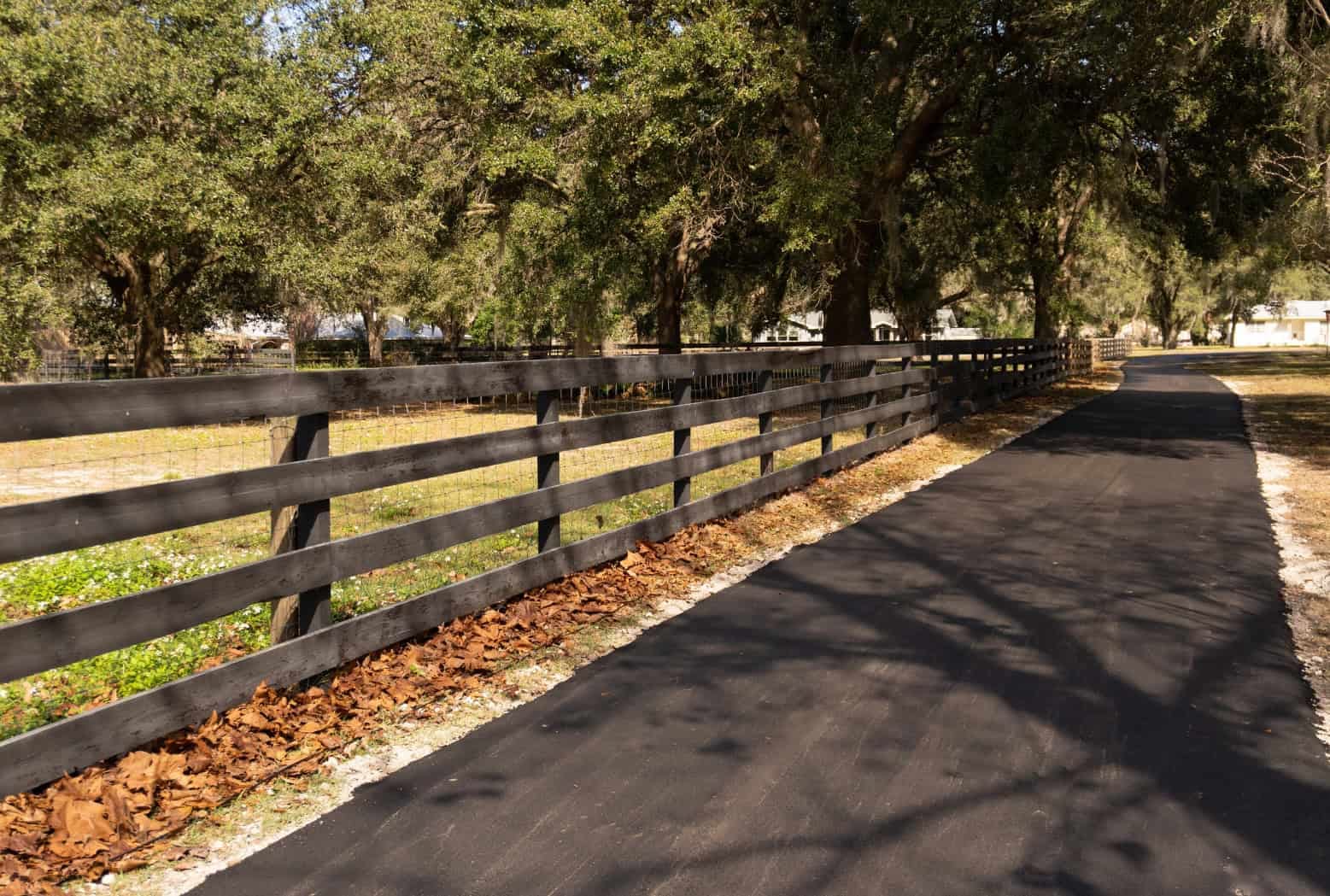
Improve access to your property with private road paving in Flint, MI. We build and resurface long lanes, shared driveways, and rural access roads with proper grading and drainage. Our crews design asphalt thickness and base depth to handle delivery trucks, farm equipment, and daily traffic so your private road stays solid and smooth for years.
Precision Asphalt Flint provides professional private road paving throughout Flint, MI, Michigan and the surrounding area. Our licensed, insured crew delivers safe, clean, on-time work with a free estimate before anything begins. Call (810) 645-8686 or request your free quote.
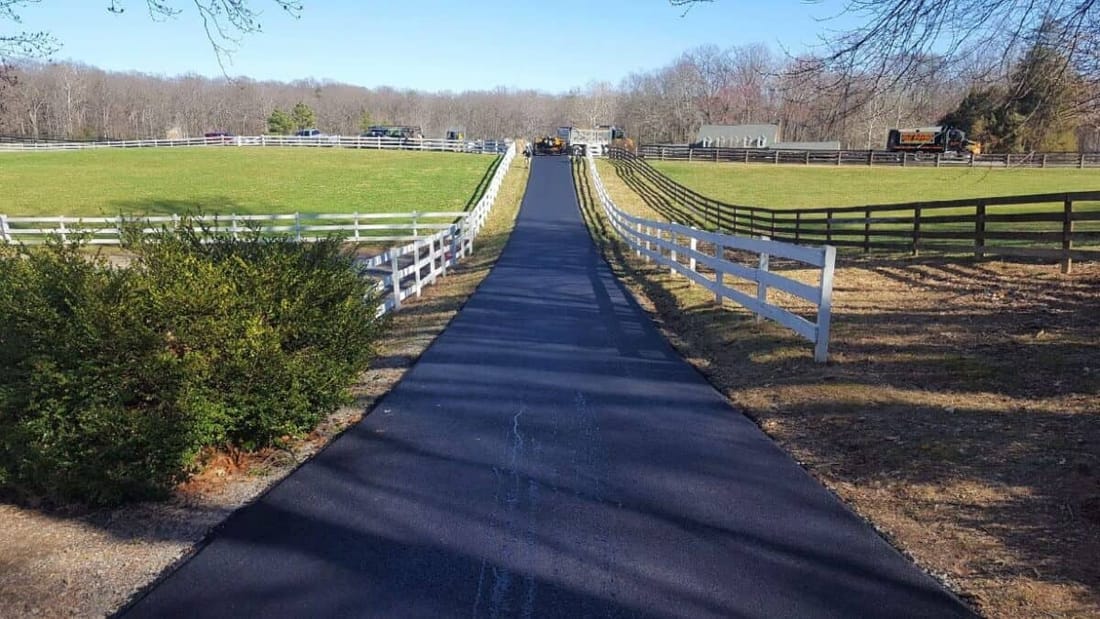
Private road paving for Flint homes, farms, and small communities
If you are tired of ruts, mud, and washouts on your private drive or lane, Precision Asphalt Flint can design and pave a private road that fits how you actually use your property. We work all over the Flint area, from longer country lanes outside Flushing and Davison to short shared drives in older Flint neighborhoods and lake roads near Lobdell and Holloway.
Private road paving is a little different from a basic driveway. The pavement has to handle more vehicles, occasional delivery trucks, and in Genesee County, winter plows and freeze-thaw cycles. That means we pay close attention to base thickness, drainage, and pitch so your road holds up for years instead of breaking apart after a couple of winters.
We regularly pave:
• Long rural lanes to houses set back from the main road
• Shared private roads serving 3 to 20 homes
• Access roads to pole barns, small businesses on residential property, and farm buildings
From the first visit, our crew looks at the soil, the traffic, and the surrounding grades, then builds a simple plan with a layout and thickness that makes sense for your specific property, not a one-size-fits-all template.
How we build a private asphalt road that lasts in Michigan weather
Good private road paving starts below the blacktop. In the Flint area we see a lot of clay and mixed soils, which hold water and move when they freeze. That is why we begin by stripping soft topsoil, organics, and old broken materials, then proof rolling with a loaded truck or roller to find any weak spots. Soft pockets are dug out and replaced with compacted aggregate so you are not paving over spongey ground.
Next, we install and grade the aggregate base, usually 6 to 12 inches of crushed limestone or MDOT-spec road gravel, depending on how many homes use the road and whether heavy trucks are common. For long lanes that see fuel oil trucks or construction traffic, we lean to the thicker end. We shape the base with a motor grader to create a slight crown or a one-way cross slope (typically 2 percent) so water drains off the surface instead of pooling.
After grading, we compact in multiple passes with a vibratory roller. We do not pave until the base is tight and does not rut under the roller. In areas that stay wet, like low spots near ditches along Beecher Road or farmland near Swartz Creek, we may add geotextile fabric or additional stone to stabilize the base.
Then we install the hot mix asphalt. For most private roads in Flint, we recommend a two-course system: a thicker base course (binder) and a finer surface course. A common residential private lane might get 2 inches of compacted binder and 1.5 inches of compacted surface, while higher-use shared roads may need 2.5 inches plus 1.5 inches or more. We place the mix with a paver for a smooth, uniform mat, then compact with steel and rubber-tire rollers to lock the stone together and seal the surface.
Edges are important too. Where feasible, we create compacted shoulders with gravel so the pavement edge is supported. On narrow tree-lined lanes around older Flint homes, we often have to blend into existing grades carefully so water sheds off the road instead of funneling down the wheel paths.
Design options, drainage, and access for Flint-area private lanes
A good private road is not just a strip of asphalt. It has to work with your property and the way people drive and walk on it. At Precision Asphalt Flint we walk the route with you and talk through a few key choices before we price or pave anything.
Layout and width: For a typical single-lane residential driveway that only serves one home, 10 to 12 feet wide can be enough. For shared private roads or places with more traffic, 14 to 18 feet is usually safer, with occasional wider spots or pull-offs so vehicles can pass. Around curves, we often widen slightly so it feels comfortable to stay on the pavement in winter conditions. On lake roads or subdivisions near Grand Blanc where parking is tight, we may add small paved bump-outs.
Drainage and ditches: In Genesee County, poor drainage is one of the top reasons private roads fail early. We always look at where water will go. That might mean cleaning out existing ditches, shaping shallow swales, or installing driveway culverts where your private lane crosses a low spot. In flat back-lot areas behind older Flint houses, we might need to build mild swales and use cross-slope paving so water finds a path instead of sitting on the road.
Entrance and tie-ins: The connection to the public road is a common problem area. We coordinate the approach angle, apron thickness, and any required permits or MDOT / road commission standards if your private road meets a county road. We also pay attention to mailbox locations, garbage pickup spots, and school bus or delivery truck turnarounds, and we can create widened zones or hammerhead turnarounds where needed.
Finish choices: Most private roads use traditional black asphalt, but we can vary the mix design or stone size depending on your priorities. For example, we can use a slightly coarser surface on hills for better traction, or we can prepare the new asphalt for a future sealcoat if you want a long-term maintenance plan.
What affects private road paving cost in Flint and how we estimate it
Homeowners and small associations around Flint often share the same concern: how much will private road paving really cost, and what can be adjusted to stay within budget. We break costs down clearly, line by line, so everyone involved can see what is driving the number and decide what matters most.
Main cost factors include:
• Length, width, and thickness: A long, 1,000 foot lane out by Clio will cost more than a short shared drive in Flint, simply because of materials and time. Wider roads and thicker sections increase cost but also increase lifespan, so we help you find a balance.
• Existing conditions: If the current gravel lane is well built and drains correctly, we may be able to regrade and pave with minimal base work. If it has deep ruts, standing water, or soft mud, we will need more excavation and stone. That extra base work is an investment that prevents expensive patching later.
• Access and trees: Tight access, overhead branches, and underground utilities can add time. On heavily wooded lanes, we might need some tree trimming so trucks and pavers can reach the site safely.
• Drainage upgrades: Adding or replacing culverts, cutting new ditches, or building swales adds to the budget but is often the difference between a road that lasts 5 years and one that lasts 20.
When Precision Asphalt Flint prepares an estimate, we usually include at least two options. For example, Option A might be a standard design that fits your budget now, and Option B might show a thicker asphalt section or more drainage work that adds cost but extends lifespan. If you are part of a road association or group of neighbors, we can meet with everyone, walk the site together, and explain the trade-offs in plain language so you can vote or plan assessments with real numbers in front of you.
We also talk about timing. Paving during warmer, drier months lets us get better compaction and finish quality. In the Flint climate, late spring through early fall is ideal, though we can sometimes tackle base work earlier if the ground is firm and not saturated.
What to expect when you hire Precision Asphalt Flint for private road paving
Before any work starts, we schedule an on-site visit so you can walk the proposed route with someone who actually runs the equipment. We listen to how you use the road, who shares it, and what problems you are dealing with, like constant potholes, washboarding, or dust that coats everything. Then we measure, check elevations, and talk through recommended fixes. You receive a written proposal that spells out thicknesses, materials, drainage improvements, and a rough schedule.
On paving day, our crew starts by setting up access and safety. For shared roads, we coordinate with all residents on parking plans so we keep cars out while the work is going on but everybody still has a way to get in and out. We typically complete the heavy work in 1 to 3 days, depending on road length and how much excavation and base reconstruction is needed.
We begin with any remaining excavation and base shaping, then roll and proof the base again. Once the base is ready, we pave the binder course, compact it, and, when needed, allow a short cure time before placing the surface course the same day or next day. At the end, we dress shoulders, clean up, and check drainage by running water or waiting for the next rain to see how it behaves.
You will get simple care instructions: how long to stay off the new asphalt with cars and trucks (usually 24 to 48 hours for light vehicles, a bit longer for heavy trucks), when you can plow in winter without damaging edges, and when to consider a first sealcoat. In Flint’s freeze-thaw climate, keeping heavy vehicles off the very edges and avoiding sharp turning in one place will dramatically extend the life of your new road.
Precision Asphalt Flint stands behind its work. If you notice ponding, unusual cracking, or settlement after the first season, we want to know. We prefer to fix small issues early so your private road continues to serve you, your family, and your neighbors for many years.