Home › Commercial Gravel-to-Asphalt Conversions
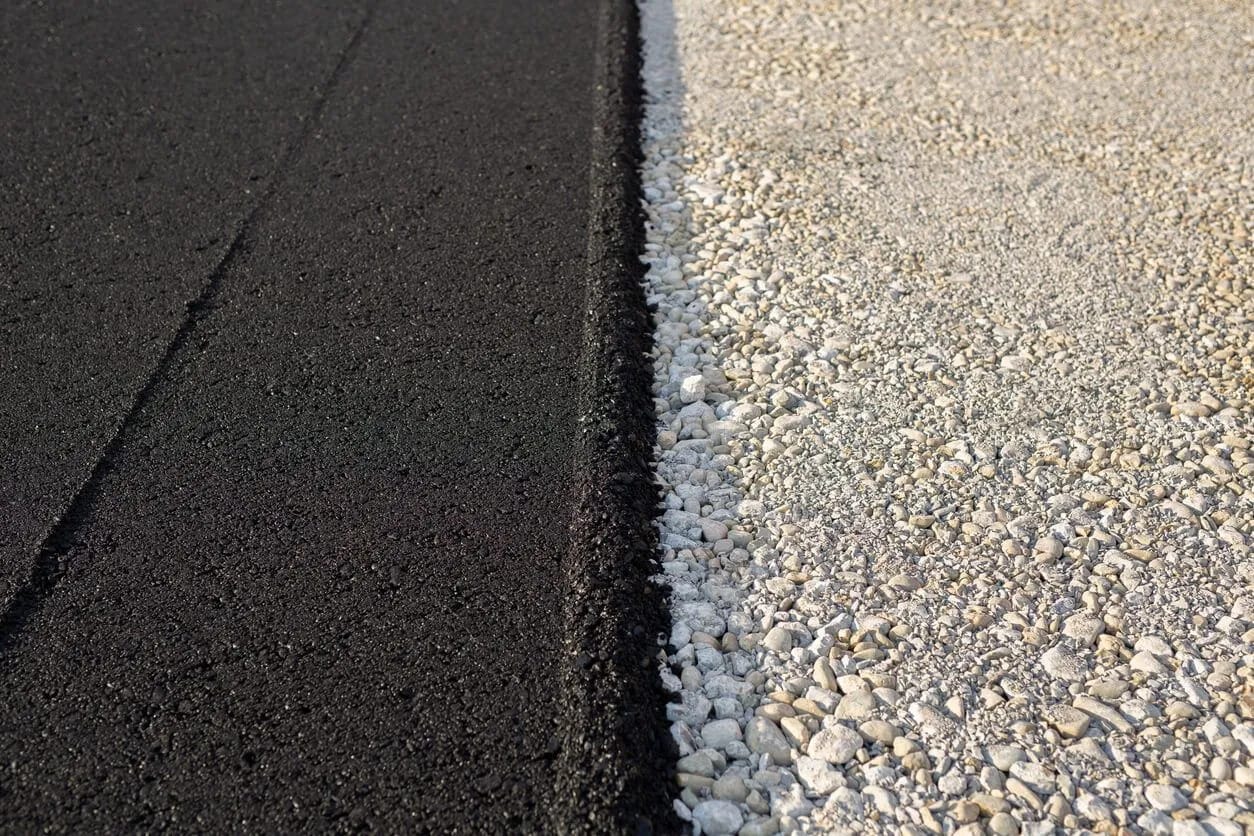
Upgrade your property with commercial gravel to asphalt conversions in Flint, MI. We turn uneven, dusty lots and access roads into smooth, marked asphalt surfaces that are easier to maintain and use year round. Proper base preparation and drainage design help your new pavement perform under cars, trucks, and equipment traffic.
Precision Asphalt Flint provides professional commercial gravel to asphalt throughout Flint, MI, Michigan and the surrounding area. Our licensed, insured crew delivers safe, clean, on-time work with a free estimate before anything begins. Call (810) 645-8686 or request your free quote.
Turn Your Gravel Lot Into a Durable Asphalt Surface
If you are tired of dust, mud, and ruts in your commercial gravel lot, a commercial gravel to asphalt conversion can solve all three at once. Precision Asphalt Flint helps businesses in Flint and Genesee County turn loose stone parking and drive areas into solid, well drained asphalt that looks professional and stands up to our freeze and thaw cycles.
Most commercial gravel to asphalt projects start because a lot has become hard to maintain. Forklifts and delivery trucks sink into soft spots, snow removal tears up the stone, and customers track dust into the building. Asphalt gives you a smooth, cleanable surface that can be striped, plowed, and swept. It usually lowers long term maintenance costs compared to constant regrading and topping off gravel.
In the Flint area, the soil, drainage, and heavy truck use are big factors. Many older gravel lots were never engineered. They were just stone over native clay. That is why you see standing water and deep ruts after rain. When Precision Asphalt Flint converts a gravel lot, we do not simply pave over what is there. We rebuild the base where needed so the asphalt has solid support and does not crack or sink in a couple of winters.
How We Convert Commercial Gravel Lots to Asphalt
A proper commercial gravel to asphalt conversion is done in layers and stages. First, we walk the site with you and review how the lot is used. We look for delivery paths, dumpster pads, loading areas, and high traffic lanes so we can design the pavement thickness correctly. A front customer parking row for passenger cars does not need the same asphalt section as a semi truck turnaround.
Next, we test and probe the existing gravel and subgrade. In many Flint properties we find 3 to 6 inches of mixed stone sitting on top of clay. Where the stone is clean, stable, and thick enough, we can regrade and reuse it as part of the base. Where it is soft, contaminated with mud, or holds water, we undercut and replace it with new MDOT spec aggregate. This is one of the biggest steps that affects cost, but it is also what determines how long the new asphalt will last.
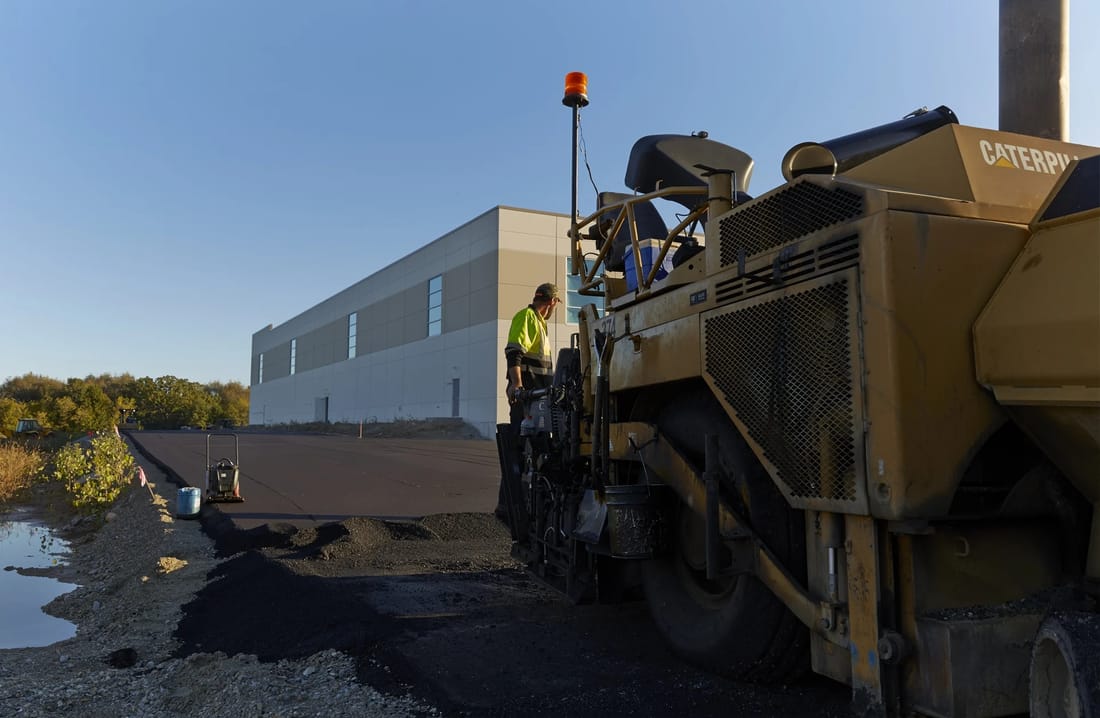
We then shape the base with motor graders and compact it with rollers until it is firm and smooth. Proper slope is set at this stage so water runs to catch basins or swales instead of ponding in the middle of the lot. Only after the base is firm and dry do we apply a binder course of hot mix asphalt, typically 2 to 3 inches compacted in traffic lanes, followed by a surface course of 1.5 to 2 inches. Heavier commercial or industrial yards may get additional binder thickness or a different mix design for durability.
After paving, we allow time for cooling, then we stripe stalls, mark fire lanes, and install wheel stops as needed. Most commercial lots are usable to light traffic within 24 hours, with heavy trucks delayed slightly longer to protect the new surface from early rutting.
Design Options, Thicknesses, and Mix Choices
There is no single standard section for commercial gravel to asphalt conversions. Precision Asphalt Flint designs the structure to match your actual use. For retail or office parking in Flint, a common section is 6 to 8 inches of compacted aggregate base with 2 inches of asphalt binder and 1.5 inches of surface course. For areas that see regular semi traffic or container loading, we may recommend 8 to 12 inches of base and 3 to 4 inches of total asphalt.
We use Michigan Department of Transportation (MDOT) approved mixes, adjusted for local conditions. Surface mixes for commercial lots often include smaller aggregate and a higher asphalt binder content so they resist raveling under snowplows and stand up to salt. Binder mixes use larger stone for strength. In high stress spots like dumpster pads, bus stops, or tight turning areas, we can use a heavier duty mix or even reinforce the base with geogrid to resist deformation.
Layout is also part of the design. If you are coming from a wide open gravel area, converting to asphalt is a good time to rethink traffic flow, loading zones, ADA access, and lighting. We can lay out defined drive lanes, angled or straight parking, and wider truck aprons where you have tight backing movements. Clear striping and smooth pavement can reduce fender benders and make snow plowing safer and more predictable.
Where drainage is a concern, we may recommend additional catch basins, trench drains in front of loading docks, or slight crown adjustments. In Flint’s wet springs and quick freeze events, proper drainage is the best defense against potholes and edge breakup in the years after your conversion.
Costs, Scheduling, and Flint-Specific Considerations
Several factors drive the cost of a commercial gravel to asphalt conversion, and understanding them upfront helps you plan and budget. The largest cost is usually base repair or replacement. If your existing gravel is deep and drains well, we can often reshape and compact it, which saves money. If the gravel is thin or the clay subgrade is pumping water, we will need more excavation and new aggregate. The size of the lot, required asphalt thickness, and any new drainage structures also affect the final number.
Timing matters in Michigan. The best window for this work around Flint is usually late April through October, when the ground is unfrozen and daytime temperatures are warm enough for proper asphalt compaction. Early spring and late fall jobs are still possible but may require tighter timing and more attention to weather. Working in the right season reduces the risk of cold seams, improper compaction, and early cracking.
For active businesses, the other scheduling concern is access. Precision Asphalt Flint regularly phases work so you can stay open. On large sites, we may pave in sections, keeping at least one entrance and a portion of parking available at all times. For industrial yards with shift work, we can schedule milling and paving during low traffic windows and coordinate temporary staging areas on remaining gravel or side streets.
We also plan around typical Flint issues like heavy snow seasons and frost depth. For example, if your gravel lot has chronic water problems in late winter, we might recommend additional underdrain or a thicker base in those spots during the conversion. Spending a bit more on drainage and structure up front is usually cheaper than patching frost heaves every year once the lot is paved.
Common Problems We Solve and What To Ask Before You Hire
Commercial gravel to asphalt conversions can go wrong when a contractor skips base work or ignores drainage. The most common failures we see are depressions where truck wheels always sit, cracking around catch basins, and edges that crumble because vehicles drive off the pavement onto soft shoulders. Precision Asphalt Flint focuses inspections on these areas ahead of time so we design in enough structure and correct slopes.
If your property has existing drainage structures, we check rim elevations and pipe conditions. Sometimes basins need to be rebuilt or raised so the new asphalt ties in cleanly, without creating low spots that hold water. Where there are no basins and water currently runs off the sides of the gravel lot, we confirm there is a legal and practical place for that water to go after paving. Asphalt sheds water faster than loose stone, so the drainage pattern must be thought through.
Before you hire any contractor, ask these specific questions: How will you evaluate and improve the base, not just the surface gravel. What total asphalt thickness are you proposing in car areas versus heavy truck areas. How are you handling existing drainage and what changes are included in the price. What is your plan to keep my business accessible during construction. The answers should be clear and written into the proposal.
You should also ask about warranties and expected life. For a properly built commercial lot in Flint with routine sealcoating and crack sealing, you should expect 15 to 20 years of service before major overlay work is needed. Precision Asphalt Flint can outline a simple maintenance plan that fits your use and budget so your investment in converting from gravel to asphalt pays off over the long term.